The Importance of Early Cavity Treatment for Kids
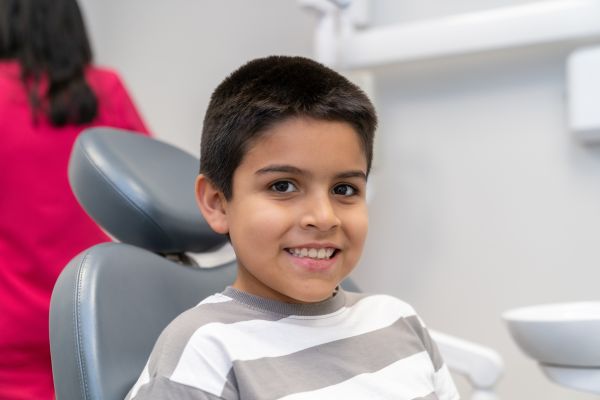
Many parents neglect early cavity treatment for kids, as they may feel that it is not essential because the child’s teeth will eventually fall out and be replaced by permanent teeth, anyway. However, diagnosing and treating cavities in kids as early as possible is incredibly important. In this review, we discuss the reasons that early cavity treatment for kids is vital and the various treatment options that are available.
What parents should know about early cavity treatment for kids
Parents have the responsibility of helping their children protect their oral health. Although the focus is on the prevention of cavities, the fact remains that cavities can still form (and children are at greater risk for them). When cavities develop, it is crucial to promptly identify the signs and seek treatment from a licensed pediatric dentist.
What are the signs of childhood cavities?
The signs of a childhood cavity depend on the severity. In the early stages, the signs are less noticeable. For this reason, parents must check the health of their child’s teeth often. Children may not know the best way to communicate symptoms like tooth sensitivity. The signs parents should keep a close eye out for are:
- Enamel discoloration
- Holes in the teeth
- Teeth sensitivity
- Toothache/pain
- Dark spots
- Swollen gums
If a tooth has a severe cavity that extends toward the root of the tooth, the signs and symptoms may quickly become more severe. Severe pain, a tooth infection, and swollen gums may occur.
What are the different early cavity treatment options?
The recommended pediatric treatment option depends on the severity of the cavity. The earlier that a pediatric dentist can diagnose a cavity, the less invasive (and less costly) the treatment usually is. Notably, the different types of cavity treatments for kids include:
- Fluoride treatment
- Dental fillings
- Dental crowns
- Onlays and inlays
- Baby root canal
- Tooth extraction
If the child only has weakened enamel and has not yet developed sizable cavities, fluoride treatment may be all that is necessary. If there is a small to moderate cavity, a dental filling is typically recommended. For more severe cavities, such as those that extend toward the root of the tooth, a baby root canal procedure followed by the placement of a dental crown may be in order. In rare cases where the tooth cannot be saved, a tooth extraction may be the only viable solution.
What are the risks of not treating early childhood cavities?
Childhood cavities are likely to worsen without treatment, leading to unnecessary pain and sensitivity that can easily be prevented through early cavity treatment. Additionally, children with childhood cavities are more prone to alignment concerns once their permanent teeth start to replace their primary teeth. This can lead to an increased need for orthodontic services.
Contact our dental practice today for early cavity treatment for kids
Are you searching for a pediatric dentist for your child? Whether your child has a cavity that needs treatment or is simply due for their next check-up and cleaning visit, we are here to help. Contact us today to receive answers to your questions and schedule a consultation visit with our pediatric dental team.
Request an appointment here: https://www.elevatekidsdental.com or call Elevate Kids Dental at (714) 888-4980 for an appointment in our Fullerton office.
Check out what others are saying about our dental services on Yelp: Cavity Treatment For Kids in Fullerton, CA.
Related Posts
Are you worried that your child needs lip tie treatment? This treatment helps support healthy oral development and prevents functional issues. While some children do not need immediate treatment, an evaluation by a pediatric dentist can help determine whether to monitor the tissue or perform the procedure. Understanding the options allows families to make decisions…
Palatal expanders are used to widen a patient’s palate (the roof of the mouth), creating more space for their top set of teeth. The American Association of Orthodontists recommends bringing your child in for their first bite assessment by the time they reach seven.At this stage in their development, their bite should be established enough…
Kids' dental crowns protect weakened baby teeth so children can chew comfortably and speak clearly. When a cavity is too large for a filling, kids' dental crowns cover the remaining structure and restore everyday function. They also help maintain space for incoming adult teeth, which supports normal alignment and jaw development. A general dentist evaluates…
Pediatric dentistry can identify and treat plaque, which is a sticky substance. Plaque appears after every snack or meal. Brushing immediately can remove this thin layer of sticky substance. Doing so can prevent tartar formation. If you want to know more about how pediatric dentistry treats plaque, here are the details.The mouth invites all sorts…