Palatal Expanders: What They Do
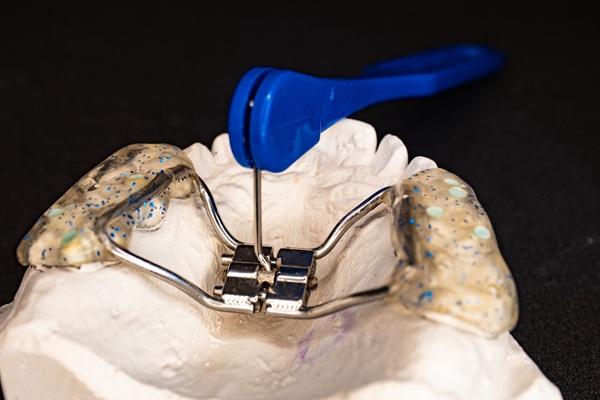
Expanders are an orthodontic tool that orthodontists use to help patients who may need to have their jaw structure changed. Palatal expanders have several benefits, particularly for those who have crowded teeth or issues with their teeth not being correctly aligned. Typically, expanders are used for children and teens whose bones may still be growing.
What do palatal expanders do?
The purpose of the expander is to correct teeth misalignment. Expanders are often necessary when there is a lack of space for teeth to fill in or if there is a crossbite between arches. A crossbite refers to a specific alignment where the upper teeth fit into the lower teeth or vice versa. The dental arch refers to the top or bottom sections of the teeth. The expander works to realign the arches and bring them into their proper alignment.
Why would you need an expander?
Children often need expanders because their jawbones are still forming and developing. They are ideal for preventing many types of misalignment, which can lead to inflammation, decay, and weakness in the teeth. The expander itself is a silver device placed on the arch that runs along the teeth to adjust them. Many times, both arches will be connected with a screw in the mouth, which the patient or their parent will need to turn to adjust. The product is made specifically for each patient's unique jaw structure. You will likely feel a difference in pressure on your teeth at the time of adjustment. Some discomfort is normal for the first few days into treatment, but it is typically not a painful treatment process.
What is it like to wear them?
There are many different types of palatal expanders. Some of them include:
- Removable palate expander. Looks familiar to a retainer. It consists of chrome and is removable for brushing or eating. This type of expander is common for those who only need to widen their jaw slightly.
- Rapid palate expander. Fits in the roof of the patient's mouth and attaches to the back of their upper teeth for stability. There is a tiny screw in the middle that the patient will turn every day. Over time, this tension will move the bones apart and widen the jaw.
- Surgically assisted rapid palate expander (SARPE). Used for moderate to severe cases or adults with fully developed facial bones. It is placed along the mid-palatal suture (the point where the left and right sides of the palate meet). Like rapid palate expanders, SARPE expanders rely on the back upper teeth for support.
- Hyrax expanders. Consists of bands that wrap around the back molars and are affixed with dental adhesive. They are similar to removable expanders but are held in place with screws to hold them in place.
Discuss your palatal expander options today
Every individual is different in what type of expander they need and how long they need to wear it. While some may only need to wear an expander for a few months, others may do so for a year or longer. Discuss your or your child's options with our Fullerton orthodontist to see if expanders can aid in tooth realignment or jaw development.
Request an appointment here: https://www.elevatekidsdental.com or call Elevate Kids Dental at (714) 888-4980 for an appointment in our Fullerton office.
Check out what others are saying about our services on Yelp: Palatal Expanders in Fullerton, CA.
Related Posts
Dental fillings for kids are used to repair cavities and protect both baby teeth and young permanent teeth from further decay. It is common for families to feel a bit blindsided when a cavity is discovered, particularly when they are diligent about daily brushing. However, because baby teeth have much thinner enamel than adult teeth,…
Pediatric dentistry can identify and treat plaque, which is a sticky substance. Plaque appears after every snack or meal. Brushing immediately can remove this thin layer of sticky substance. Doing so can prevent tartar formation. If you want to know more about how pediatric dentistry treats plaque, here are the details.The mouth invites all sorts…
In their early years, your youngster is still a novice in brushing and flossing their teeth, meaning that cleaning your child's teeth in that period is your responsibility. Cleaning the teeth is a skill that the child should learn. Your role is to educate your youngster on how to keep their mouths clean and healthy.…
When you visit the pediatric dentistry office, the dentist will typically suggest using a soft-bristled toothbrush for children's growing teeth, particularly those under two. A soft-bristled toothbrush is preferable and is gentle when removing plaque and debris, compared to a hard-bristled one, which may irritate gums.Toothbrushes are all about comfiness. When selecting a brush, parents…