How a Pediatric Dentist Approaches Teeth Whitening
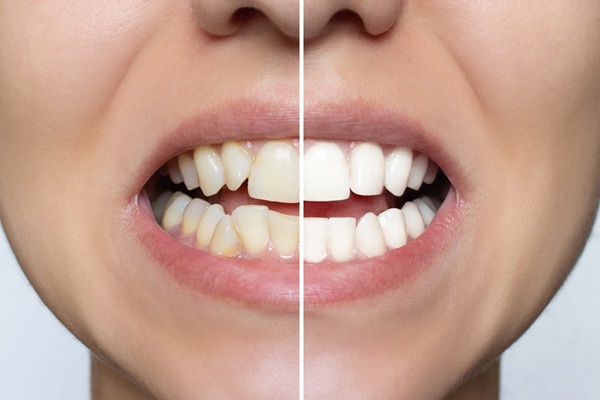
Teeth whitening is a popular cosmetic treatment aimed at enhancing the brightness of teeth, but when it comes to children, a pediatric dentist takes a thoughtful, cautious approach. While the desire for a bright smile may begin early, the timing, safety, and techniques used for teeth whitening in younger patients require careful consideration. Pediatric dentists focus on treatments that preserve enamel health while achieving optimal results.
When is teeth whitening appropriate for children?
Pediatric dentists typically recommend waiting until the child's permanent teeth have fully erupted before considering teeth whitening. Whitening treatments are most effective on fully developed teeth because younger, developing teeth may have softer enamel, which is more susceptible to damage from whitening agents. Typically, this means waiting until around the ages of 12 to 14, when most children have their permanent molars and incisors in place.
Before deciding on whitening, a pediatric dentist evaluates the patient's overall oral health. If the they have cavities, gum issues, or other dental problems, the dentist will want to address them before undergoing teeth whitening treatment. Only after ensuring the child's teeth are healthy will a pediatric dentist consider whitening options.
Methods a pediatric dentist may use
If a pediatric dentist determines that teeth whitening is appropriate, they will use methods specifically designed for younger patients. These treatments are gentle, effective, and more predictable compared to over-the-counter (OTC) products that can be too harsh for children's teeth.
Professional whitening treatments offered by pediatric dentists may include custom-fitted trays with a mild whitening gel. These trays are carefully designed to ensure the gel only comes in contact with the teeth, minimizing irritation to the gums and soft tissues. The whitening gel used in a dental office is also typically lower in concentration than those in OTC products, ensuring safer and more controlled results.
Some pediatric dentists offer in-office treatments as an option, where a stronger, dentist-administered gel is applied under professional supervision. This ensures the whitening process is both effective and safe for the child's developing teeth.
The importance of monitoring for sensitivity
Teeth whitening treatments can sometimes cause sensitivity, particularly in younger patients whose enamel is still developing. A pediatric dentist will closely monitor the child's response to treatment and adjust the process if needed. They may also recommend using a dental sealant after the whitening procedure to help strengthen enamel and reduce sensitivity.
It is important to remember that not all children's teeth are ideal candidates for whitening. If the discoloration is due to intrinsic factors like enamel defects or underlying medical conditions, teeth whitening may not yield the desired results. In such cases, a pediatric dentist may explore alternative options, such as bonding or crowns, to address cosmetic concerns.
Consult a pediatric dentist
Teeth whitening can be a great way for older pediatric patients to achieve a brighter smile, but it is essential for a dentist to oversee the process. By carefully evaluating the child's oral health, using appropriate treatments, and monitoring for potential sensitivity, pediatric dentists ensure that teeth whitening is a safe, effective solution for enhancing a child's smile. If you are interested in teeth whitening for your child, contact Elevate Kids Dental to consult our dentist.
Request an appointment here: https://www.elevatekidsdental.com or call Elevate Kids Dental at (714) 888-4980 for an appointment in our Fullerton office.
Check out what others are saying about our dental services on Yelp: Teeth Whitening in Fullerton, CA.
Related Posts
Clear aligners have become an increasingly popular orthodontic treatment option for individuals of all ages. They provide a discreet and comfortable alternative to traditional metal braces. However, many parents wonder whether younger patients are eligible for clear aligners. Understanding the factors that determine whether clear aligners are appropriate for children or teenagers can help make…
A pediatric root canal is sometimes necessary to prevent the loss of a decayed or damaged baby tooth. Although the goal is to prevent dental cavities and tooth infections, they can still develop, especially in young children (who, on average, are more prone to cavities than teens and adults). It is essential to quickly detect…
Are you worried that your child needs lip tie treatment? This treatment helps support healthy oral development and prevents functional issues. While some children do not need immediate treatment, an evaluation by a pediatric dentist can help determine whether to monitor the tissue or perform the procedure. Understanding the options allows families to make decisions…
Palatal expanders are used to widen a patient’s palate (the roof of the mouth), creating more space for their top set of teeth. The American Association of Orthodontists recommends bringing your child in for their first bite assessment by the time they reach seven.At this stage in their development, their bite should be established enough…