Frenectomy: Ask a Pediatric Dentist About Newborn Lip and Tongue Tie
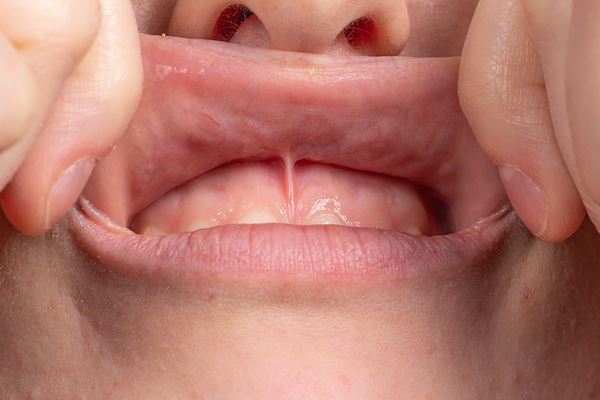
A frenectomy is an in-office procedure that can improve the function of a young child’s mouth. The treatment falls under the category of minor dental surgery. Frenectomies are quick and painless, with short recovery times. Experienced oral surgeons and dental specialists perform many of these procedures every year.
Is your child’s dentist or pediatrician recommending a frenectomy? Do you feel like your kid’s health would benefit from the procedure? Whichever the case, read on to learn more about this course of treatment.
The frenectomy, the lip tie, and the tongue-tie
Frenula, or frena, are connective strips of tissue in the mouth. A frenum attaches the tongue to the bottom of the mouth. The other connects the lip to the gums. Well-formed frena allow for the free movement of the tongue or lip.
A short, thick frenum affects the tongue and creates a tongue tie. The result limits the tongue’s range of motion. An infant who suffers from this condition will have a hard time chestfeeding. The nursing parent may also experience pain as their baby tries to feed. In older children, a tongue tie can lead to difficulties in speech and feeding.
A tight frenum can also limit the motion of the upper lip, causing a lip tie. Infants with this condition may have a hard time with chest- and bottle-feeding. Large frena may also cause gapping and other orthodontic problems.
Treatment can correct both conditions and improves the function of the child’s mouth. Here is basic information about the procedure, in question-and-answer form.
1. What are the signs that a child needs a frenectomy?
Caregivers of children who need a frenectomy will often report the following signs to their child’s pediatrician or dentist:
- An infant who has a hard time latching on while nursing
- Pain on the part of the parent as the baby chestfeeds
- A baby may be excessively gassy
- The tip of the child’s tongue may be heart-shaped due to a short, tight frenulum
- Older children may suffer from speech and feeding difficulties
- Indigestion in older children
- A gap, usually between the two front upper teeth
2. What is the ideal age for a frenectomy?
Young children heal faster, so the younger, the better. Infants can benefit from a more conservative alternative to the frenectomy. This treatment option is known as a frenotomy, and it involves the "snipping" or "disconnection" of the frenulum.
3. What does a frenectomy look like?
A frenectomy removes the frenum from under the tongue or the upper gums. This quick, simple procedure happens under local anesthetic. It involves the use of a specialized soft-tissue laser to remove the connective tissue. Since a surgical laser cauterizes as it goes, the treatment involves minimal discomfort and bleeding.
4. How long is the recovery period?
It takes two to three days for the surgical site to scab over. It takes a couple of weeks for the site to heal completely.
5. What does recovery look like?
The dentist, pediatrician, or oral surgeon will give detailed after-care instructions covering diet, pain management, and hygiene at the surgical site. It is a minor surgery, so the child will only experience slight soreness that is easy to manage with painkillers that the doctor will prescribe. After-care instructions will also include signs of potential complications, like fever and tongue numbness.
6. What are the risks that come with frenectomies?
The use of a soft-tissue laser eliminates the chances of post-operative bleeding. However, this remains a risk if the dentist or surgeon performs a frenectomy with incisions and excisions.
Other risks include a reaction to the anesthetic, numbness of the tongue, infection, and scar tissue formation. The oral surgeon will take care to inform caregivers of all risks ahead of time. They will also walk the guardian through the benefits of the procedure and the drawbacks of foregoing treatment.
Join our long and growing line of happy, healthy patients
Our practice boasts a team that performs numerous successful frenectomies every year. Get in touch with us to schedule a consultation. Our dentist and oral surgeon will be happy to walk you through treatment options that can improve your child’s health. They will let you know if a frenectomy is the best course of treatment for your child.
Request an appointment here: https://www.elevatekidsdental.com or call Elevate Kids Dental at (714) 888-4980 for an appointment in our Fullerton office.
Check out what others are saying about our dental services on Yelp: Oral Surgery in Fullerton, CA.
Related Posts
Your pediatric dentistry professional can check your child’s teeth and gums during regular visits. Seeing this dental care provider can also teach you and your child important terms to remember. Each checkup presents an opportunity to ask your dentist for guidance. If you want to know more about oral hygiene, here are some questions to…
If you have a baby who is teething, knowing some pediatric dentistry care tips can be helpful. Your child may experience some distress at this period. An infant's gums swell and become tender as their first teeth emerge. This article covers some of the remedies you might get from a pediatric dental professional to relieve…
Teeth grinding solutions matter when nighttime clenching or grinding begins to wear down a child's teeth, trigger jaw soreness, or disrupt sleep. Many parents notice flattened edges, chipped enamel, or morning headaches without realizing grinding can play a role. Fortunately, a pediatric dentist can confirm whether bruxism (teeth grinding) is present and whether treatment is…
Pediatric dentistry professionals always warn against foods that can ruin a child’s teeth. Parents must limit a child’s intake of carbohydrate-rich foods. This can help lower the child’s risk for dental problems. Knowing what foods to avoid can help make oral care easier. If you want to know what foods can harm your child’s teeth…