Dental Fillings For Kids: What Are They Made Of?
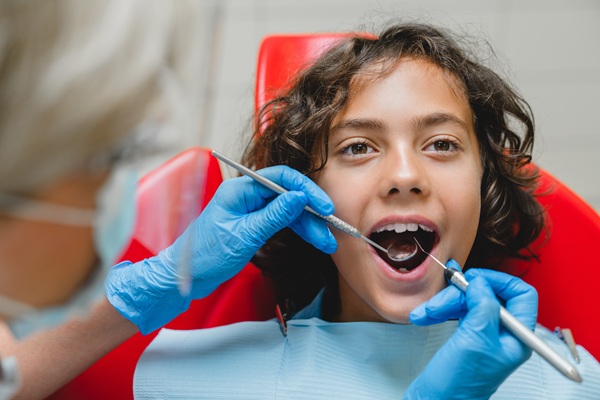
Dental fillings for kids are used to repair cavities and protect both baby teeth and young permanent teeth from further decay. It is common for families to feel a bit blindsided when a cavity is discovered, particularly when they are diligent about daily brushing. However, because baby teeth have much thinner enamel than adult teeth, decay can settle in and spread surprisingly fast. A pediatric dentist offers various types of fillings to treat decayed teeth and support the child's lasting comfort.
Understanding filling types and materials
Dental fillings for kids help treat cavities so children can eat and speak comfortably. They also seal the teeth against bacteria. That said, the selection of a filling material is never one-size-fits-all. The right choice depends on where the tooth is located, how large the cavity has grown, and how many years the tooth needs to stay in the mouth before it falls out naturally. It also hinges on the child’s age and their ability to sit still. Thus, dental fillings for kids are selected based on what will perform with the most reliability in a real-world pediatric setting.
What are dental fillings for kids made of?
Pediatric dentists can use several materials to fill a cavity, and each has its own advantages. They will evaluate the depth of the decay and the specific tooth type before recommending a path forward. Patient and parent preferences are also a key factor in choosing a material. Explore the different material options for a filling below.
Composite resin
Composite resin is a popular choice for families because it is shaded to match the natural tooth. It is a plastic and glass mixture that bonds directly to the enamel. This bonding process is helpful because it allows for a more conservative treatment: The dentist can preserve more of the healthy tooth structure while still getting a tight seal.
While composite fillings look beautiful, they must be placed in a dry environment. The patient must be able to sit still long enough for this process. And for cavities in the back of the mouth where chewing pressure is highest, or for children who grind their teeth at night, the dentist might suggest a more durable alternative.
Glass ionomer
Glass ionomer is a unique material that bonds chemically to the tooth. One of its standout features is that it can release fluoride over time, helping strengthen the surrounding tooth structure and preventing new cavities from forming. Because this material handles moisture better than composite resin, it is often used for smaller cavities or for children who have difficulty staying still for long periods. While it might wear down a bit faster than resin in high-pressure areas, it is a strategic tool when prevention and ease of placement are the top priorities.
Dental amalgam
Amalgam is the silver-colored material that most people think of when they hear "dental fillings for kids." It is incredibly strong and stands up well to the heavy grinding of back molars. It does not match the tooth's color, so it is rarely used for front teeth. However, because it is so durable and handles moisture well, it remains a well-established and effective option in specific situations where other materials might fail.
Next steps
Dental fillings for kids can be made from composite resin, glass ionomer, and amalgam. Each filling type can help a child maintain a functional, comfortable smile as they grow. Learn more in an appointment with a pediatric dentist.
Request an appointment here: https://www.elevatekidsdental.com or call Elevate Kids Dental at (714) 888-4980 for an appointment in our Fullerton office.
Check out what others are saying about our dental services on Yelp: Composite Fillings in Fullerton, CA.
Related Posts
Pediatric dentistry can identify and treat plaque, which is a sticky substance. Plaque appears after every snack or meal. Brushing immediately can remove this thin layer of sticky substance. Doing so can prevent tartar formation. If you want to know more about how pediatric dentistry treats plaque, here are the details.The mouth invites all sorts…
In their early years, your youngster is still a novice in brushing and flossing their teeth, meaning that cleaning your child's teeth in that period is your responsibility. Cleaning the teeth is a skill that the child should learn. Your role is to educate your youngster on how to keep their mouths clean and healthy.…
When you visit the pediatric dentistry office, the dentist will typically suggest using a soft-bristled toothbrush for children's growing teeth, particularly those under two. A soft-bristled toothbrush is preferable and is gentle when removing plaque and debris, compared to a hard-bristled one, which may irritate gums.Toothbrushes are all about comfiness. When selecting a brush, parents…
Regular visits to a pediatric dentist who specializes in young patients are an important part of establishing good oral health practices. Many instances of severe dental conditions in children stem from either a lack of regard for proper hygiene or a lack of knowledge on the proper ways to care for a child's teeth. Check…