A Guide to Orthodontics for Kids
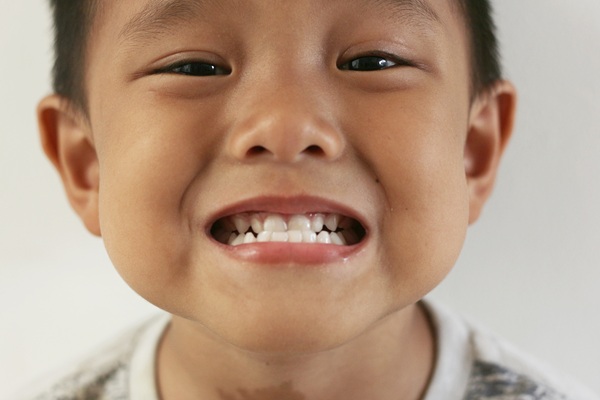
Orthodontics for kids focuses on guiding jaw growth, correcting early bite issues, and keeping developing smiles in good shape. While many associate orthodontic care with teenagers, treatment can begin much earlier when necessary. In fact, early intervention can eliminate the need for complex orthodontic treatments later on. A pediatric dentist can recommend when a younger patient may benefit from orthodontics, as well as help them maintain a healthy smile throughout treatment.
When and why do kids need orthodontics?
According to the American Association of Orthodontists (AAO), most children can benefit from having an orthodontic evaluation at age seven. At this stage, a mix of primary and permanent teeth is usually present, revealing early signs of misalignment, crowding, or bite imbalance. A pediatric dentist closely monitors these developmental stages.
Even if no immediate treatment is needed, identifying problems early helps to structure the care more efficiently. The dentist can then observe the patient’s dental condition as it develops and recommend the best time for intervention (if any). That said, in situations involving crossbites, protruding teeth, or jaw asymmetries, early orthodontic intervention can help redirect growth patterns and simplify future dental care.
Other key benefits of orthodontics for kids
One of the most well-known benefits of orthodontics for kids is a more balanced, attractive smile. Moving teeth into proper alignment can have a powerful effect on how a child feels about their appearance. Feeling proud of a smile during school years and social milestones often helps build lasting confidence.
Functional improvements are another important benefit to consider. Correcting bite issues can reduce abnormal enamel wear, improve chewing efficiency, and lower the risk of injury to protruding teeth. Some children also experience clearer speech or more natural breathing patterns as alignment improves.
Nevertheless, emotional readiness plays a major role in treatment success. Dentists help children understand what to expect and offer encouragement throughout the process. When children feel seen, heard, and empowered, they tend to be more engaged with their treatment plan. They may also feel more inclined to take good care of their smile after treatment.
What can be treated early with orthodontics for kids?
Several bite issues can benefit from orthodontics for kids. These include:
- Crossbites
- Open bites
- Crowding
- Underbites
- Protruding front teeth
A pediatric dentist can also assess whether palatal expanders, space maintainers, or partial braces may be beneficial. These devices help guide growth, preserve space for incoming teeth, and align the bite more gently during periods of active development. In many cases, early treatment creates the conditions for a smoother, shorter second phase once all permanent teeth are in place.
How growth affects treatment planning
Orthodontic planning for children differs from adult care because it accounts for the fact that the mouth and jaw are still growing. Timing orthodontic treatment to expected changes in the jaw and when certain teeth are due to erupt can yield better results. For example, an expander may be used during a growth spurt to widen the upper jaw with less difficulty, while braces may be delayed until certain teeth have fully erupted. This strategic timing reduces discomfort and supports long-term stability.
Supporting growing smiles with orthodontics for kids
Orthodontics for kids provides lasting benefits when done at the right time and with consideration for patient comfort. If your child is due for their first orthodontic evaluation, book an appointment with our Fullerton team. We strive to make both the evaluation and any treatment comfortable at every step.
Request an appointment here: https://www.elevatekidsdental.com or call Elevate Kids Dental at (714) 888-4980 for an appointment in our Fullerton office.
Check out what others are saying about our dental services on Yelp: Orthodontics for Children in Fullerton, CA.
Related Posts
Clear aligners have become an increasingly popular orthodontic treatment option for individuals of all ages. They provide a discreet and comfortable alternative to traditional metal braces. However, many parents wonder whether younger patients are eligible for clear aligners. Understanding the factors that determine whether clear aligners are appropriate for children or teenagers can help make…
A pediatric root canal is sometimes necessary to prevent the loss of a decayed or damaged baby tooth. Although the goal is to prevent dental cavities and tooth infections, they can still develop, especially in young children (who, on average, are more prone to cavities than teens and adults). It is essential to quickly detect…
Are you worried that your child needs lip tie treatment? This treatment helps support healthy oral development and prevents functional issues. While some children do not need immediate treatment, an evaluation by a pediatric dentist can help determine whether to monitor the tissue or perform the procedure. Understanding the options allows families to make decisions…
Palatal expanders are used to widen a patient’s palate (the roof of the mouth), creating more space for their top set of teeth. The American Association of Orthodontists recommends bringing your child in for their first bite assessment by the time they reach seven.At this stage in their development, their bite should be established enough…