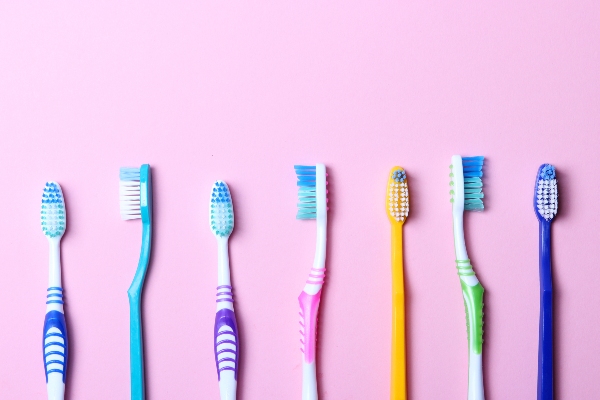
 When you visit the pediatric dentistry office, the dentist will typically suggest using a soft-bristled toothbrush for children's growing teeth, particularly those under two. A soft-bristled toothbrush is preferable and is gentle when removing plaque and debris, compared to a hard-bristled one, which may irritate gums.
The types of toothbrushes
Toothbrushes are all about comfiness. When selecting a brush, parents should consider their child's age and level of oral development. The recommended age for using a toothbrush is often written on the packaging. The child should be able to handle and use the toothbrush comfortably. Parents also want to ensure the toothbrush is the right size and form.
Toothbrushes can be fun-looking too. Children will be more likely to clean their teeth if they use a colorful toothbrush or one with their favorite cartoon characters. Brushing a child's teeth should be an enjoyable experience, not a painful one. Try out various toothbrushes to find the one that works best for the child. The types of recommended toothbrushes include:
Electric toothbrushes
Electric toothbrushes move and clean the teeth more effectively. The child can easily reach even the most difficult-to-brush regions thanks to the brush's adjustable head. Electric toothbrushes with built-in timers may help the kid know when the brushing is enough and build a long-term oral health regimen. Parents must replace brush heads or toothbrushes when the bristles get matted or frayed every three to four months. Remember to floss as well.
Consider the ADA Seal of Acceptance when purchasing a toothbrush. In addition, the ADA Council on Scientific Affairs certifies the product's safety and efficacy by issuing a stamp of approval.
Finger toothbrush
This brush can work for infants with just a few teeth without difficulty. Adults may easily clean the child's teeth and gums with this brush since it is small enough to fit on their index fingers. The meetings are BPA and phthalate-free, clean teeth, gums, and tongue with ease, and offer three colors to choose from.
Manual toothbrush
Brushing the back teeth with a manual brush is easier for children once they are old enough to grasp. When purchasing a toothbrush, check for soft bristles, a suitable size for the child's age, a comfortable grip, and appealing colors. Soft brushes for children are readily available, and there are a wide variety of shapes to pick from.
Recommendations for a good toothpaste
Numerous kid-friendly alternatives taste tremendous and promote brushing. For children's teeth, dentists typically recommend a fluoride paste. Parents must supervise them when brushing if the child has not learned to spit out toothpaste. Many toothpaste brands offer different fun-looking tubes with pleasant flavors. Strawberry, bubblegum, and fruit burst are just a few of the many tastes to choose from.
In conclusion
If your child has grown old enough to own a toothbrush, you should get them a good one with good shape and soft bristles. You can also visit the pediatric dentistry office and ask for recommendations.
Request an appointment or call Elevate Kids Dental at 714-888-4980 for an appointment in our Fullerton office.
Related Posts
Are you worried that your child needs lip tie treatment? This treatment helps support healthy oral development and prevents functional issues. While some children do not need immediate treatment, an evaluation by a pediatric dentist can help determine whether to monitor the tissue or perform the procedure. Understanding the options allows families to make decisions…
Palatal expanders are used to widen a patient’s palate (the roof of the mouth), creating more space for their top set of teeth. The American Association of Orthodontists recommends bringing your child in for their first bite assessment by the time they reach seven.At this stage in their development, their bite should be established enough…
Kids' dental crowns protect weakened baby teeth so children can chew comfortably and speak clearly. When a cavity is too large for a filling, kids' dental crowns cover the remaining structure and restore everyday function. They also help maintain space for incoming adult teeth, which supports normal alignment and jaw development. A general dentist evaluates…