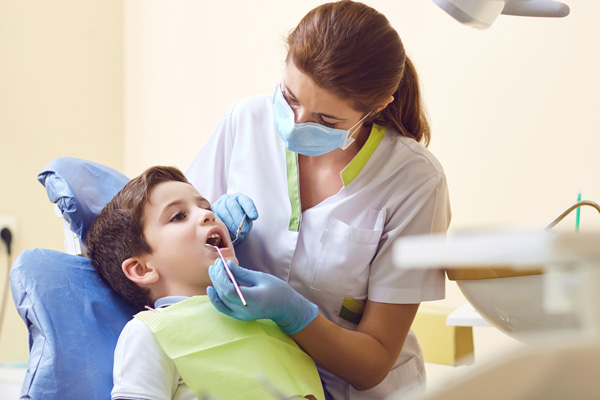
 The fact is even adults feel anxious when trying something they have never tried before, like dental sedation. Children are no different, and they tend to feel nervous on the first visit to the dentist. For some children, this dental anxiety continues throughout childhood, and it may be worse for more invasive procedures. In this case, dental sedation can help alleviate anxiety during procedures.
Sedation for dealing with dental anxiety in pediatric dentistry
This review discusses dental sedation to help alleviate dental anxiety in pediatric dentistry, highlighting what children’s dental anxiety is exactly, how sedation is used in pediatric dentistry, and when it might be recommended.
What is children’s dental anxiety?
Children’s dental anxiety is an often irrational fear of visiting the pediatric dentist in younger patients. The cause of dental anxiety is different for every child. Common causes include a fear of being judged, fear of pain during procedures, or simply a child that is less comfortable and shy around people they do not know as well. Children’s dental anxiety is usually minor, but it can worsen into a dental phobia or linger into the child’s teenage and adult years if not dealt with at an early age.
What is sedation in pediatric dentistry?
Dental sedation, also called sedation dentistry or sleep dentistry, is the use of medication to help patients relax during dental procedures. There are different types of sedation used in a pediatric dentist's office, which are nitrous oxide, oral sedation, and IV sedation. For pediatric dentists, in particular, nitrous oxide (which is also called “laughing gas”) is preferred as it is safer and not as scary for children with dental anxiety.
When might a dentist recommend sedation for dental anxiety?
Of course, more invasive procedures such as tooth extraction or baby root canal require the use of sedation to help the child feel comfortable during treatment. However, for children with dental anxiety, dental sedation may also be recommended for less invasive procedures as well so that they can feel calm and comfortable during the procedure.
Is sedation safe for children?
Sedation in pediatric dentistry is safe for children when provided by a dental professional. There are some risks associated with sedation, although side effects are rare and typically mild and short-lived when they do occur.
What can my child expect when sedation is used?
Each type of sedation is administered differently. As mentioned, nitrous oxide is the most common type of sedation for children. This involves wearing a dental mask that released nitrous oxide, which produces a calming sensation for the child and may even give them an urge to laugh or feel funny (hence the name).
Call us today for more information or to schedule a visit
Here at our pediatric dental practice, we pride ourselves on creating a fun and welcoming environment for children that helps minimize anxiety. We also offer sedation dentistry as well. To learn more and schedule a visit with our dental team, give us a call at a time that is convenient for you.
Request an appointment or call Elevate Kids Dental at 714-888-4980 for an appointment in our Fullerton office.
Related Posts
Are you worried that your child needs lip tie treatment? This treatment helps support healthy oral development and prevents functional issues. While some children do not need immediate treatment, an evaluation by a pediatric dentist can help determine whether to monitor the tissue or perform the procedure. Understanding the options allows families to make decisions…
Palatal expanders are used to widen a patient’s palate (the roof of the mouth), creating more space for their top set of teeth. The American Association of Orthodontists recommends bringing your child in for their first bite assessment by the time they reach seven.At this stage in their development, their bite should be established enough…
Kids' dental crowns protect weakened baby teeth so children can chew comfortably and speak clearly. When a cavity is too large for a filling, kids' dental crowns cover the remaining structure and restore everyday function. They also help maintain space for incoming adult teeth, which supports normal alignment and jaw development. A general dentist evaluates…