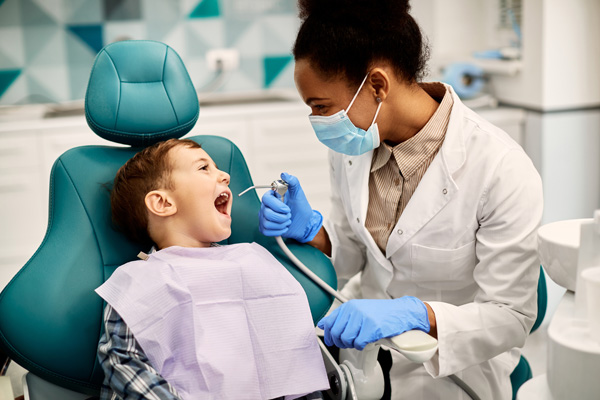
 Dental anesthesia and dental sedation are both ways to minimize the pain and anxiety patients experience during a dental procedure, and they may be available for kids' dental procedures. However, it is important for parents to have an understanding of what they both are before deciding on anesthesia or sedation in pediatric dentistry.
Dental anesthesia vs. dental sedation: Which is right for my child?
Your child’s pediatric dentist may recommend dental anesthesia or dental sedation depending on the level of anxiety your child has and the type of kid's dental procedure that is being performed. The following is a general overview of the two options as they pertain specifically to pediatric dentistry and kids dental procedures.
What is dental anesthesia for kids?
The term “anesthesia” usually refers to general anesthesia. With this form of anesthesia, the patient is unconscious and unable to respond to the dental staff. Of course, as a result, this ensures the patient does not feel any pain during the procedure and can help if they have severe dental anxiety or phobia. However, with that said, pediatric dentists typically do not recommend dental anesthesia for children unless it is absolutely necessary. For some more invasive oral surgery procedures, however, general anesthesia may be recommended.
What is dental sedation for kids?
Dental sedation is much more commonly used for kids than general anesthesia. With sedation, the child is awake and can usually respond, although they are not as fully awake as they usually are and do not feel as much stimulation. There are three main types of dental sedation, which are:
- Nitrous oxide
- Oral sedation
- IV sedation
Nitrous oxide, also called laughing gas, is perhaps the main type of sedation for kids' dental procedures, and it can be used safely for more common procedures such as a dental filling or tooth extraction. Oral sedation and IV sedation is stronger and not used as often for kids' dental procedures, but it is sometimes recommended for more invasive procedures.
When is dental sedation recommended for kids' dental procedures?
As mentioned, dental sedation is more regularly used for kids' dental procedures than general anesthesia. This is because sedation is safer overall with fewer risks but still provides the level of pain relief necessary to keep children calm and comfortable.
If your child is scheduled for an oral surgery procedure, such as facial reconstruction, then the pediatric dentist or oral surgeon may recommend general anesthesia. Ultimately, the best way to determine which is the best solution for your child is to discuss all viable options with your child’s pediatric dentist.
Schedule a pediatric dentistry visit for more information
Here at our dental practice, we use dental sedation to help children who may feel nervous and/or have a more invasive procedure scheduled relax and feel comfortable and confident during their visit with us. To learn more about pediatric dentistry and dental sedation options for your child, schedule a visit by giving us a call or sending us a message today.
Request an appointment or call Elevate Kids Dental at 714-888-4980 for an appointment in our Fullerton office.
Related Posts
Are you worried that your child needs lip tie treatment? This treatment helps support healthy oral development and prevents functional issues. While some children do not need immediate treatment, an evaluation by a pediatric dentist can help determine whether to monitor the tissue or perform the procedure. Understanding the options allows families to make decisions…
Palatal expanders are used to widen a patient’s palate (the roof of the mouth), creating more space for their top set of teeth. The American Association of Orthodontists recommends bringing your child in for their first bite assessment by the time they reach seven.At this stage in their development, their bite should be established enough…
Kids' dental crowns protect weakened baby teeth so children can chew comfortably and speak clearly. When a cavity is too large for a filling, kids' dental crowns cover the remaining structure and restore everyday function. They also help maintain space for incoming adult teeth, which supports normal alignment and jaw development. A general dentist evaluates…